



Work Completion Tracking
We track each project's completion date against its approved deadline and identify projects that need a time extension request before the deadline passes.

Closeout is the final stage of Public Assistance. Each project is reconciled against its completed work and documented costs and closed, then the organization's full set of projects, then the award for the declaration.
The work includes tracking completion deadlines, reconciling large project costs, documenting small project completion, answering closeout Requests for Information, and organizing records for retention and audit.

McGee Disaster Consulting Group supports closeout from the last completed work through FEMA's notice that each project is closed.
We track each project's completion date against its approved deadline and identify projects that need a time extension request before the deadline passes.

We reconcile the documented cost of each large project to the approved scope and identify overruns, underruns, and costs outside the scope.

We organize labor, equipment, materials, and contract records, including invoices, timesheets, and work orders, into the cost support reviewed at closeout.

We review the procurement record for each contract and identify gaps before the closeout request is submitted.

We organize insurance policies and settlement records so potential duplication of benefits is documented.
We prepare the documentation behind the small project completion certification and assess whether combined actual costs support a net small project overrun request.
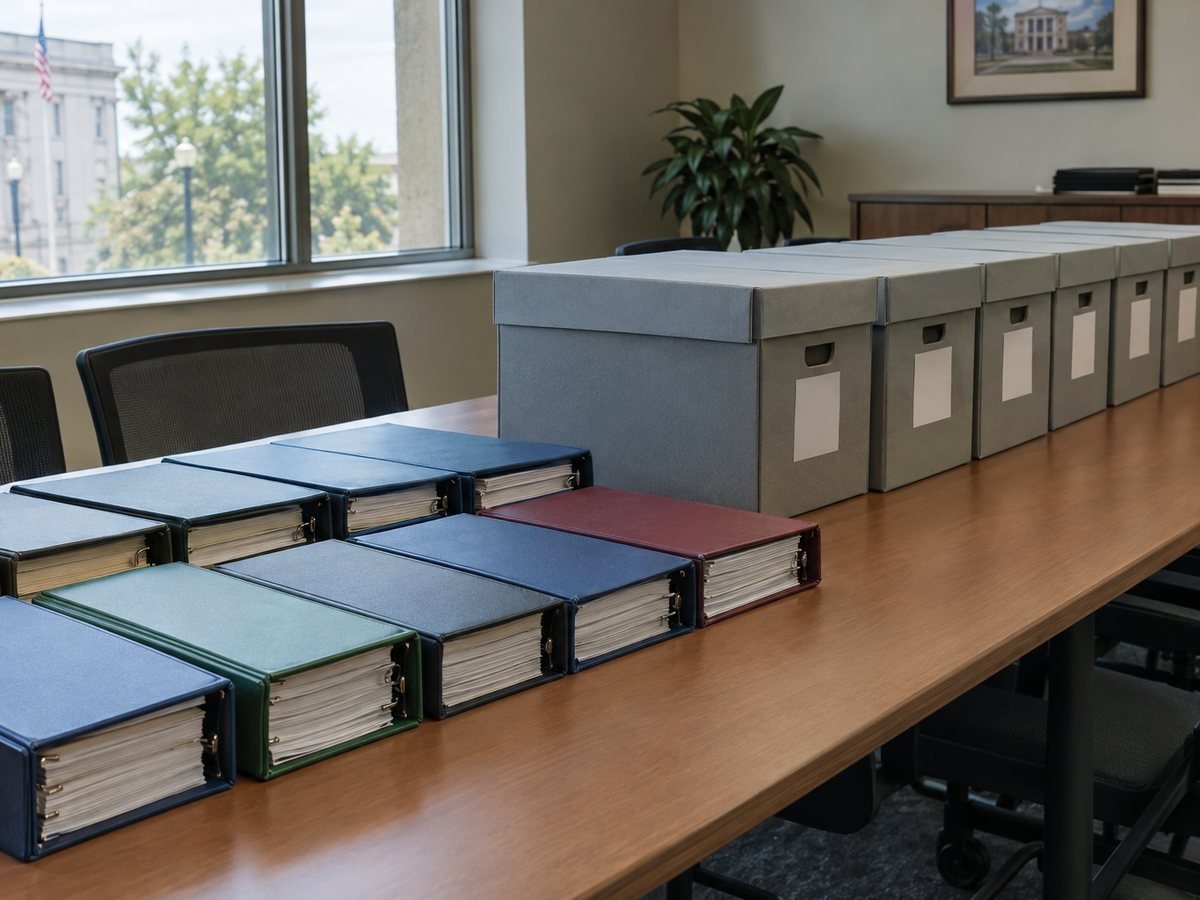
We assemble each large project closeout package: final inspection report, scope and expenditure summaries, change orders, codes and standards documentation, Environmental and Historic Preservation records, and photographs of completed work.

We prepare responses to recipient and FEMA requests during closeout review, including the support behind sampled costs and open compliance items.

We organize closed project records for the retention period and for Single Audit and Office of Inspector General review.
Closeout requirements differ by project size. FEMA closes each project first, then the organization's full set of projects once all are closed, then the award.

Small projects are funded on the approved estimate (44 CFR 206.205(a)). FEMA adjusts that amount only in specific circumstances, such as incomplete scope, changes in insurance proceeds, hidden damage, or errors and omissions.
Key deadline. If no net small project overrun is requested, the subrecipient certifies completion of all small projects to the recipient within 90 days of completing its last small project.

Large projects are reconciled to actual documented cost to complete the approved scope (44 CFR 206.205(b)). FEMA obligates additional funds or reduces funding after its review.
Key deadlines. The subrecipient documents actual costs within 90 days of work completion, and the recipient certifies completion to FEMA within 180 days of the work completion date or project deadline, whichever comes first.

When the combined actual cost of all small projects exceeds the total obligated for them, the subrecipient may request additional funding through the appeal process, with actual cost documentation for every small project.
Key deadline. Within 60 days of the last small project completion date.

FEMA closes the organization's participation in the declaration once all of its projects are closed and no audits are outstanding. The award closes after FEMA resolves all appeals and the recipient submits its final expenditure report.
Before a large project closes. No appeals, audits, or arbitration cases can remain open.

Records are kept for three years from the submission of the final financial report, and longer when an audit, litigation, or claim begins before that period ends or when state or local law requires (2 CFR 200.334).
Single Audit. Required for any fiscal year in which the organization expends $1 million or more in federal awards (2 CFR 200.501, for fiscal years beginning on or after October 1, 2024).
Section 705. Section 705 of the Stafford Act generally limits FEMA's recovery of payments to state, tribal, and local governments to three years after the recipient transmits its final expenditure report, unless FEMA has notified the recipient of its intent to recover within that period. It does not apply in cases of fraud and does not apply to private nonprofit subrecipients.