

Damage Documentation
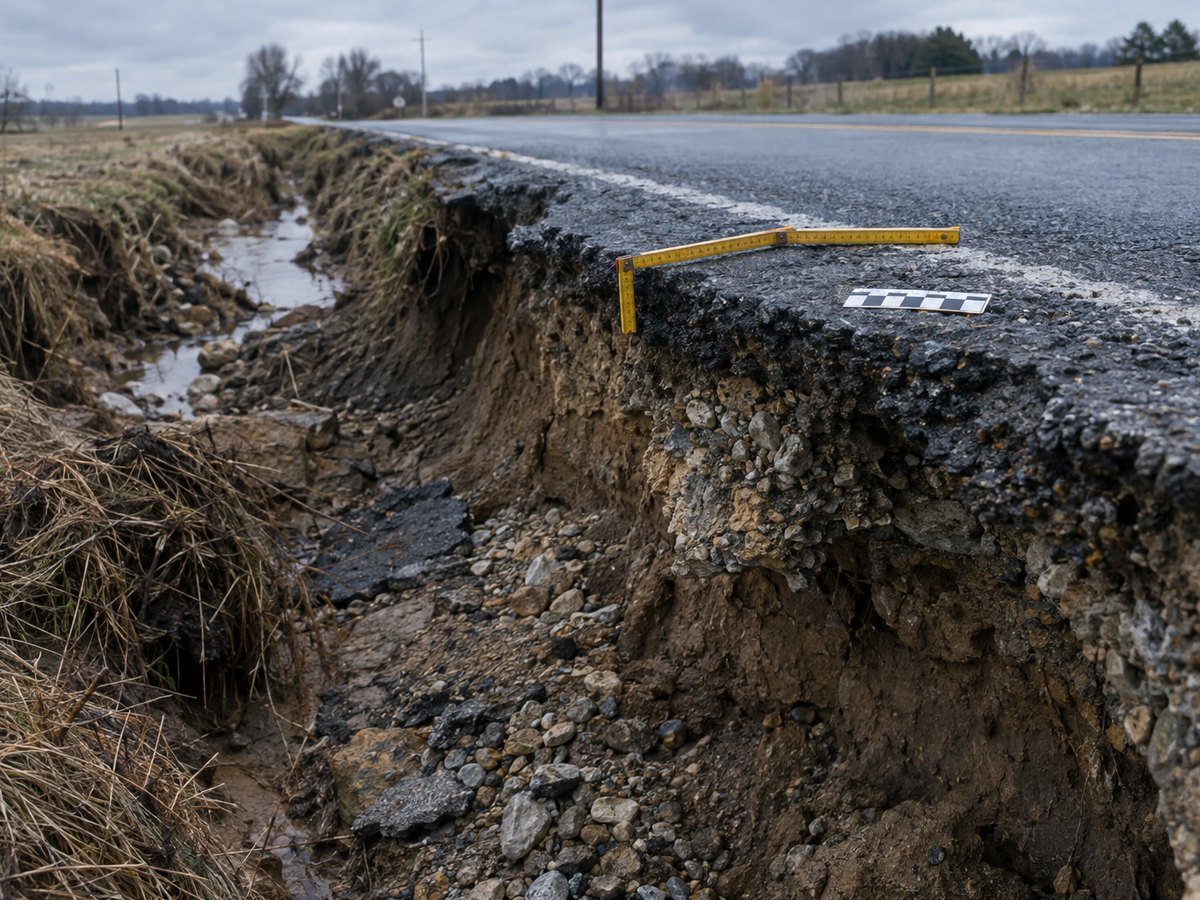
We document damaged components through photographs, measurements, field notes, and repair history, so the damage and its cause are on the record.
Section 406 hazard mitigation allows Public Assistance funding to include measures that reduce the risk of future damage to the damaged portions of a facility. It is funded inside permanent work projects. Section 404, the Hazard Mitigation Grant Program, is a separate grant made available after a major disaster declaration. The state is the recipient, and local governments and certain private nonprofits apply as subapplicants.
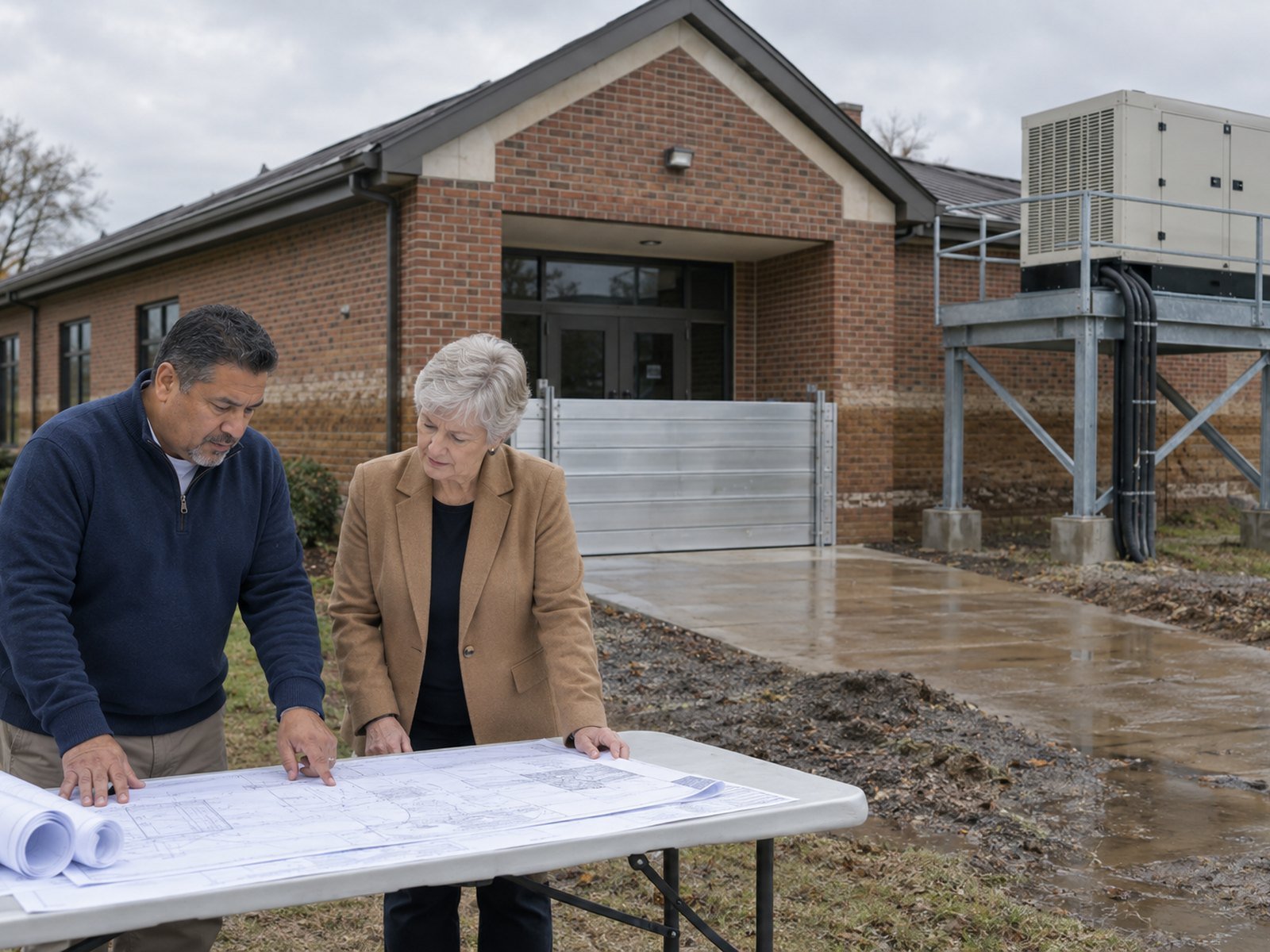
McGee Disaster Consulting Group supports Section 406 mitigation within permanent work projects and Section 404 subapplications, from the first damage record through closeout.
We document damaged components through photographs, measurements, field notes, and repair history, so the damage and its cause are on the record.
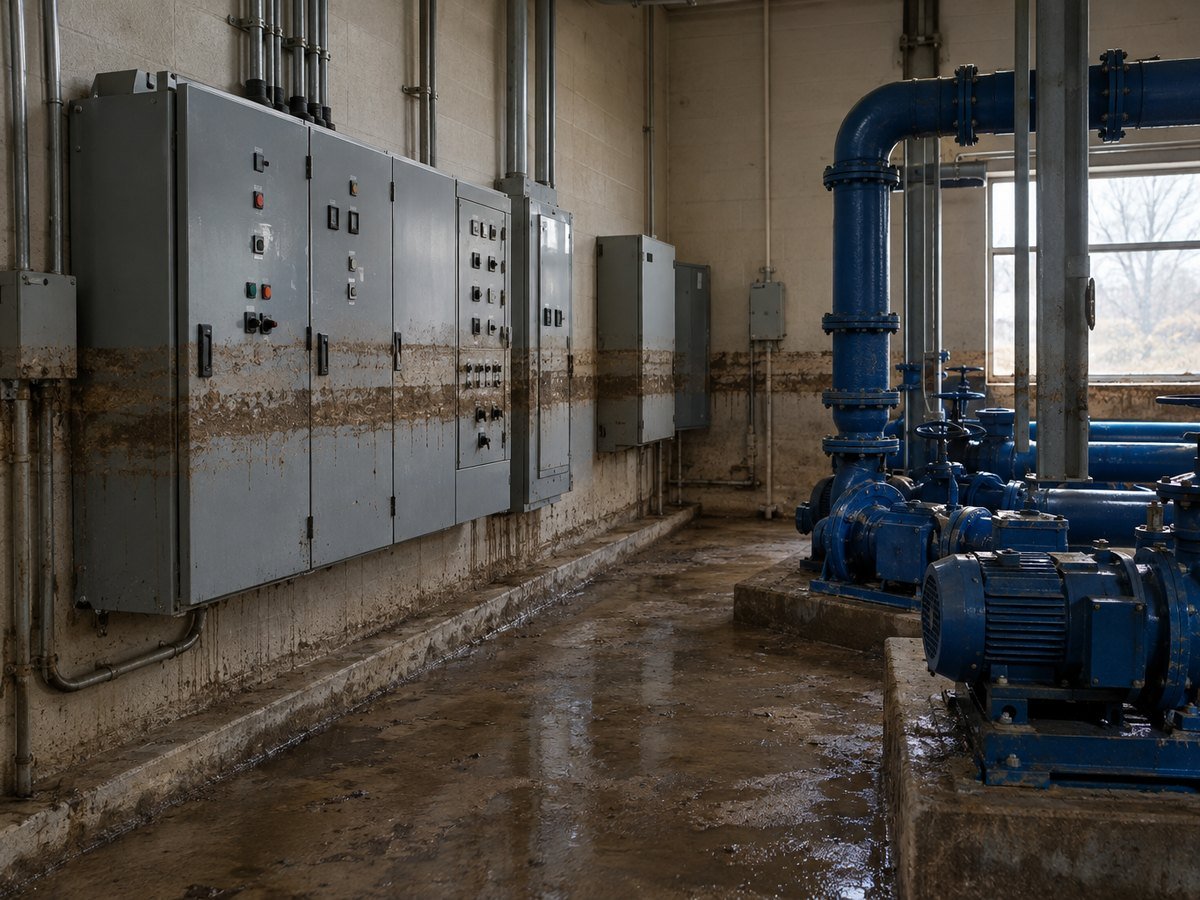
We review each permanent work project for measures that may reduce future damage to the damaged portions of the facility, while damage is still being documented.

We prepare Hazard Mitigation Proposals, including the scope and cost estimate for each component.

We document cost-effectiveness by the method that fits each measure: the 15 percent test, the measures listed in PAPPG Appendix J (up to 100 percent of the repair cost), or a benefit-cost analysis using FEMA's BCA Toolkit.

We document upgrades required by applicable codes and standards separately from measures beyond code, which are proposed as mitigation.
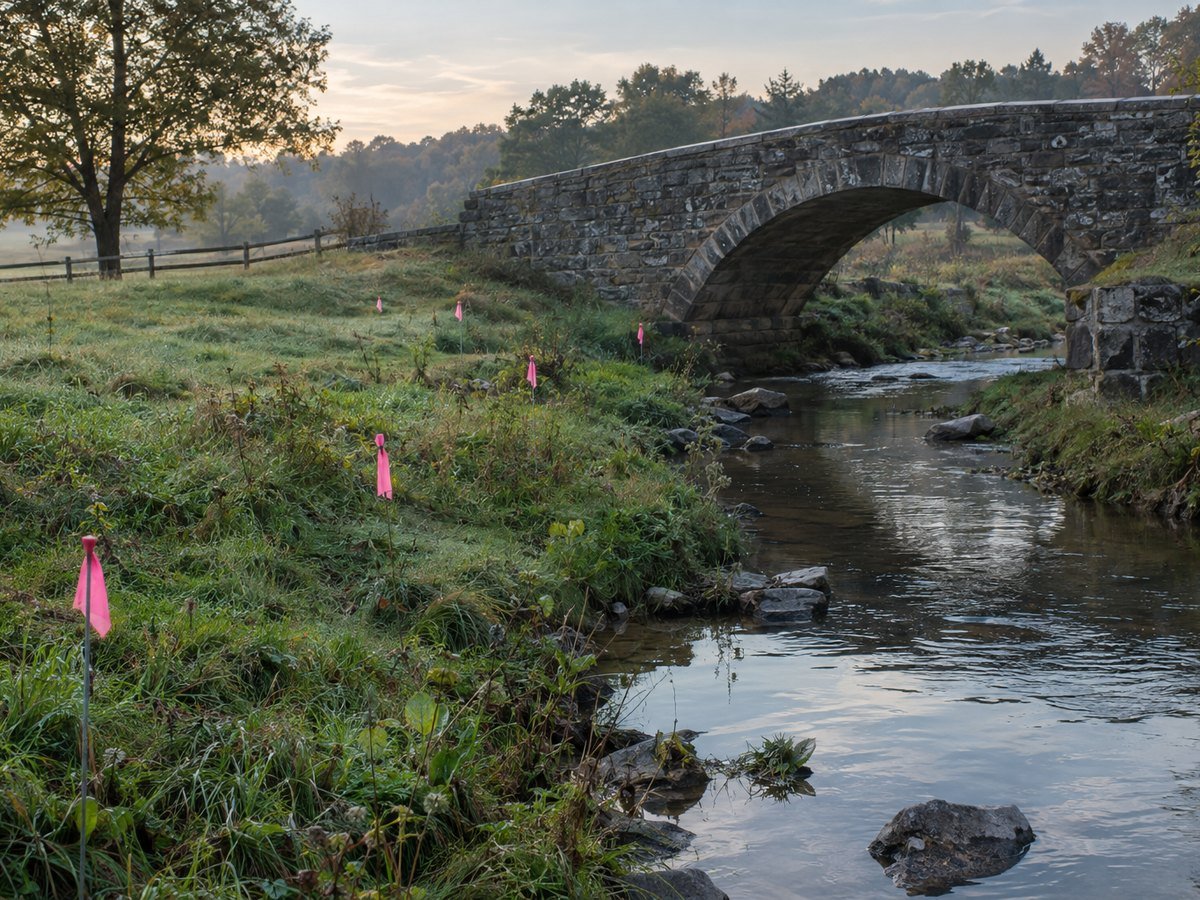
We assemble the project information used for Environmental and Historic Preservation compliance, including site conditions, permits, and consultation records, and track open items.
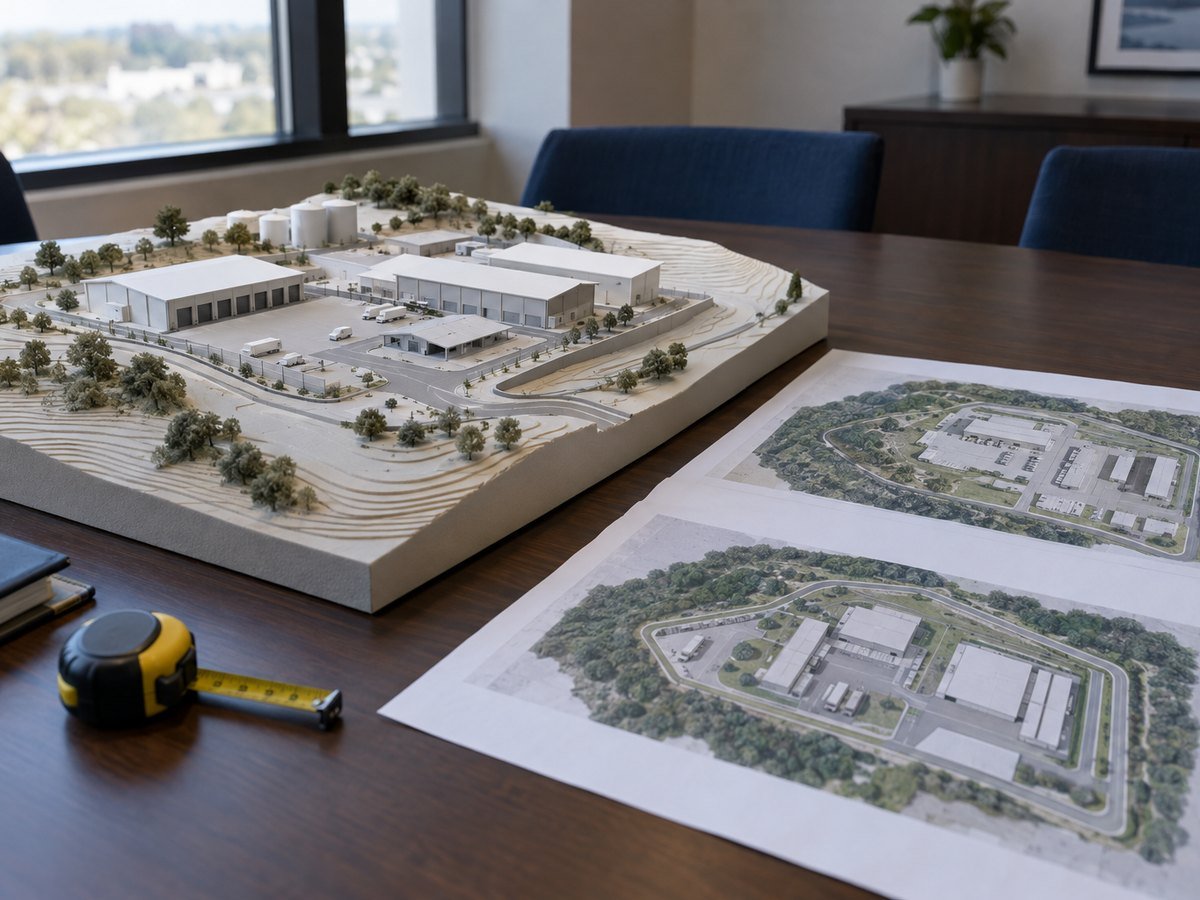
We assess how a proposed improved or alternate project may affect Section 406 mitigation funding and document the effect on the Public Assistance project.

We prepare Hazard Mitigation Grant Program subapplications for submission through the state, including the scope, cost estimate, and link to the FEMA-approved hazard mitigation plan.
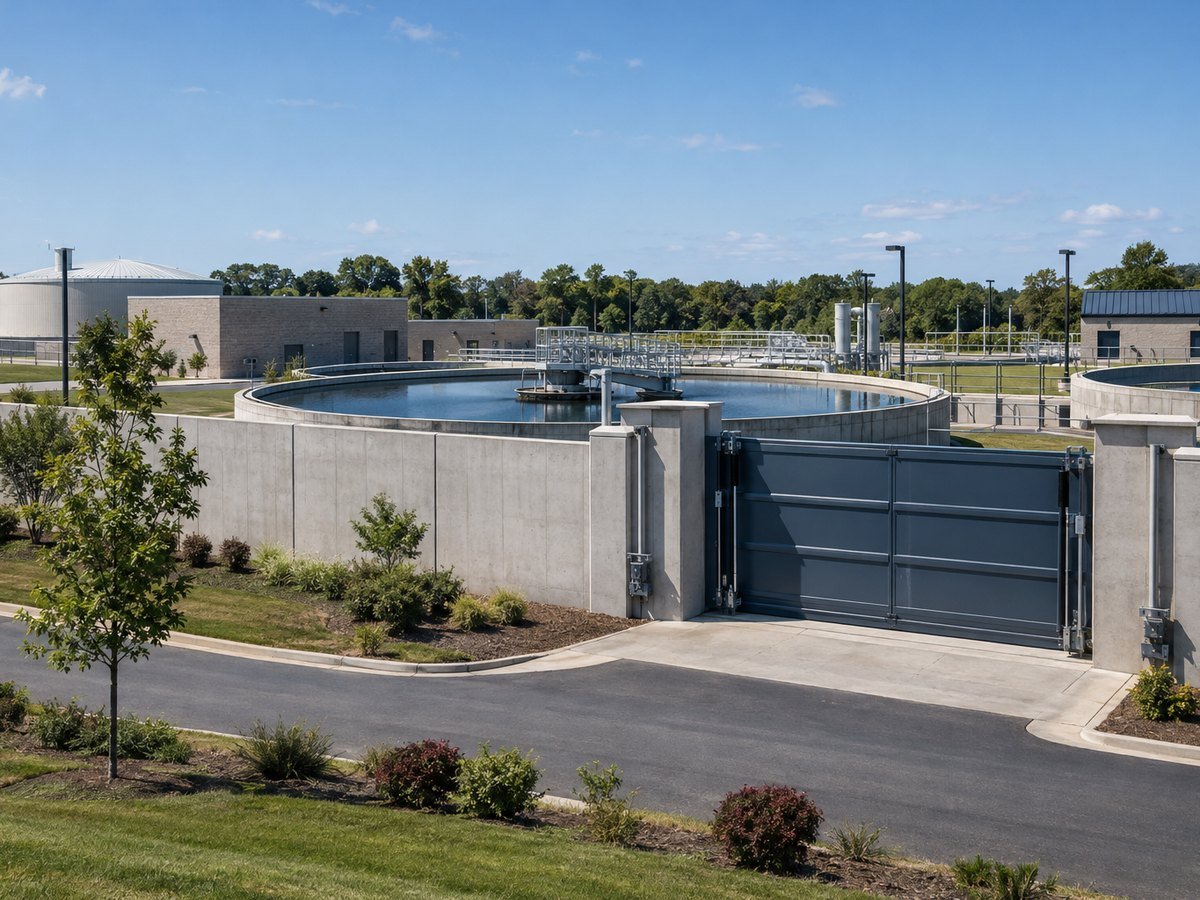
We track each funded mitigation measure through closeout and document its completion and cost.