


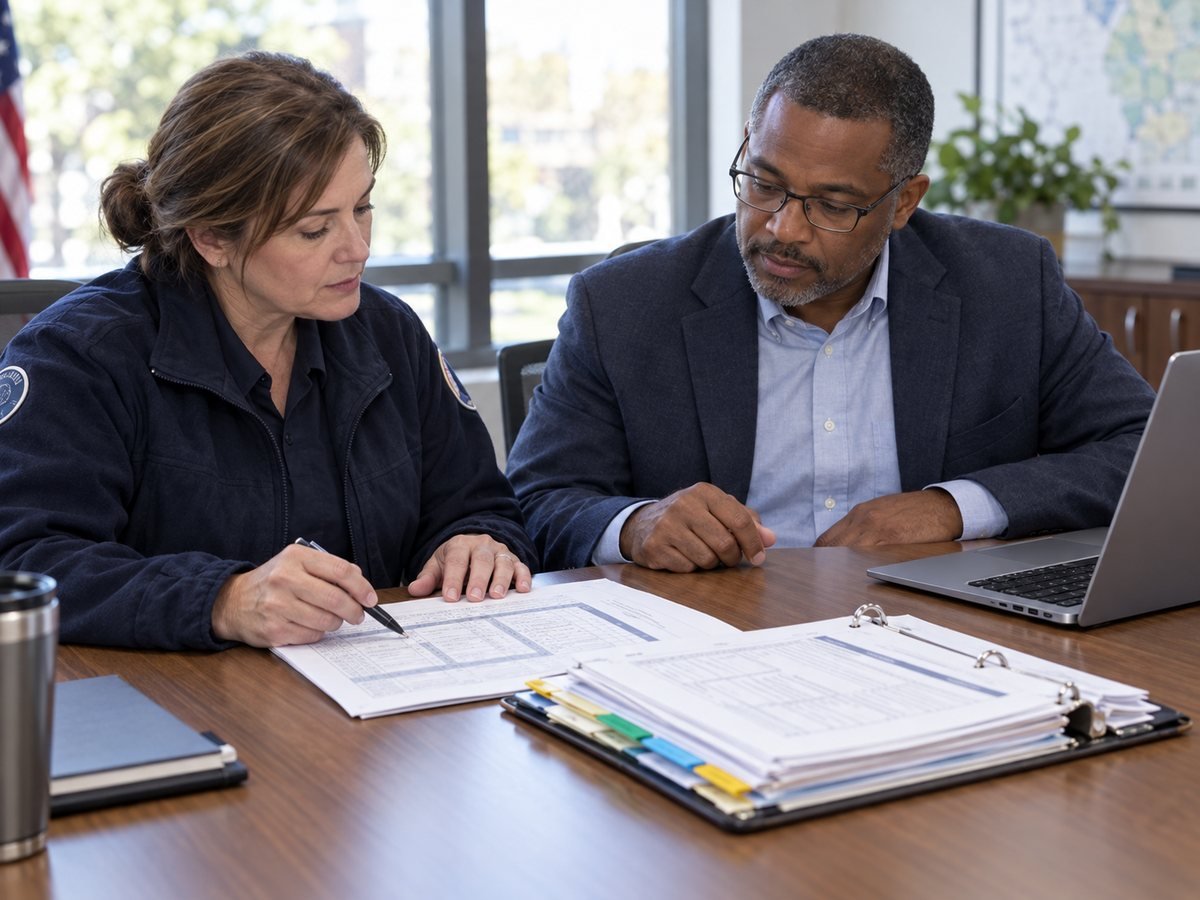
Recovery Readiness Assessment
We review current plans, policies, staffing, and recordkeeping against Public Assistance requirements and deliver a prioritized list of gaps.
Preparedness is the work completed before a disaster so the organization can document and support its costs from the first day. It covers the plans, policies, contracts, inventories, and facility records that every later stage of Public Assistance depends on.
McGee Disaster Consulting Group works with organizations before an event to put that foundation in place.
We review current plans, policies, staffing, and recordkeeping against Public Assistance requirements and deliver a prioritized list of gaps.
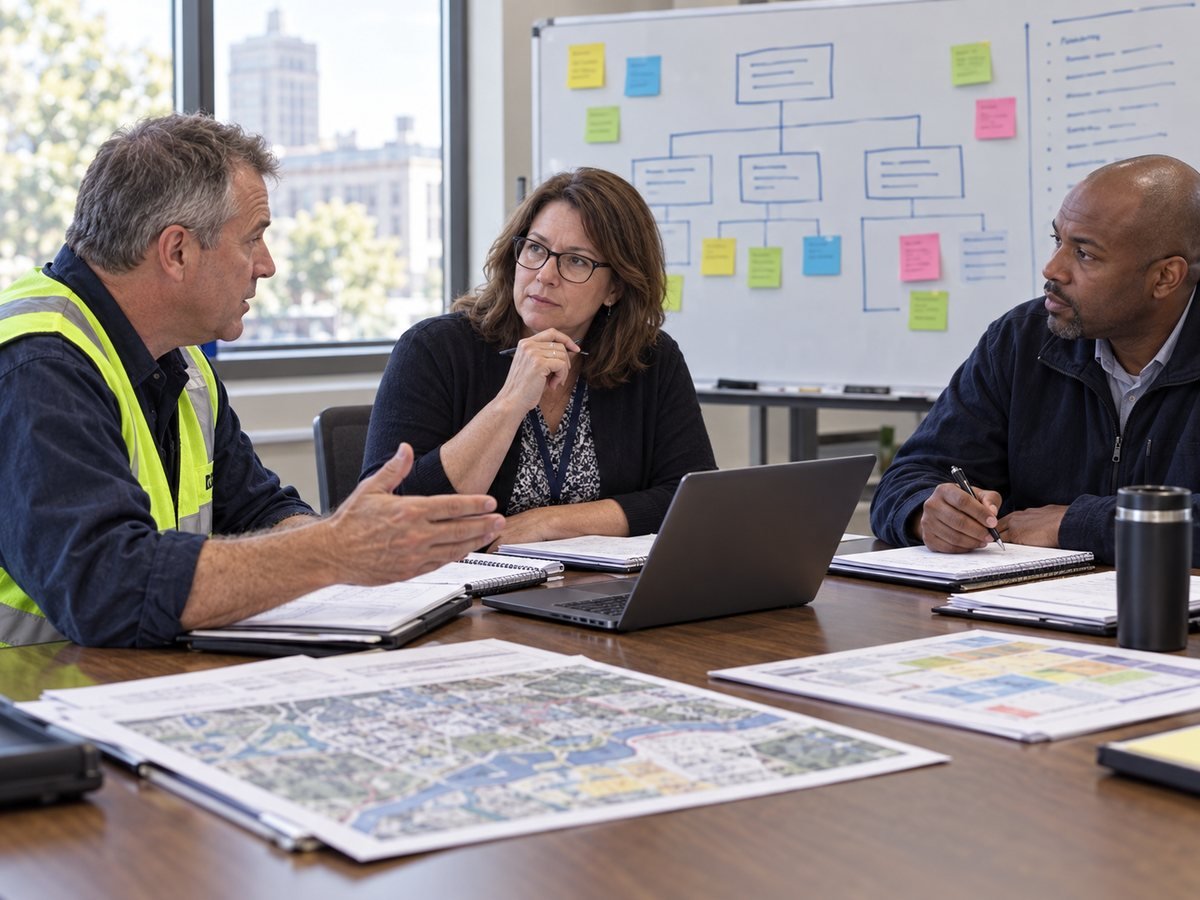
We define recovery roles, decision authority, and department responsibilities, so staff know who does what when an event begins.

We set up disaster cost tracking, project codes, and finance procedures, so emergency spending is captured as it happens.

We review procurement, pay, overtime, and emergency staffing policies, so they are written, adopted, and applied consistently before an event.

We review contracts against 2 CFR Part 200 procurement standards and FEMA documentation expectations and identify issues to correct before the contracts are needed. Under 2 CFR 200.319(b), a contractor that drafts the specifications or statement of work for a procurement must be excluded from competing on it.

We build equipment inventories matched to the applicable equipment rates and materials inventories with stock numbers and unit costs.

We prepare field and office templates for labor, equipment, materials, and damage reporting, so records match across departments.
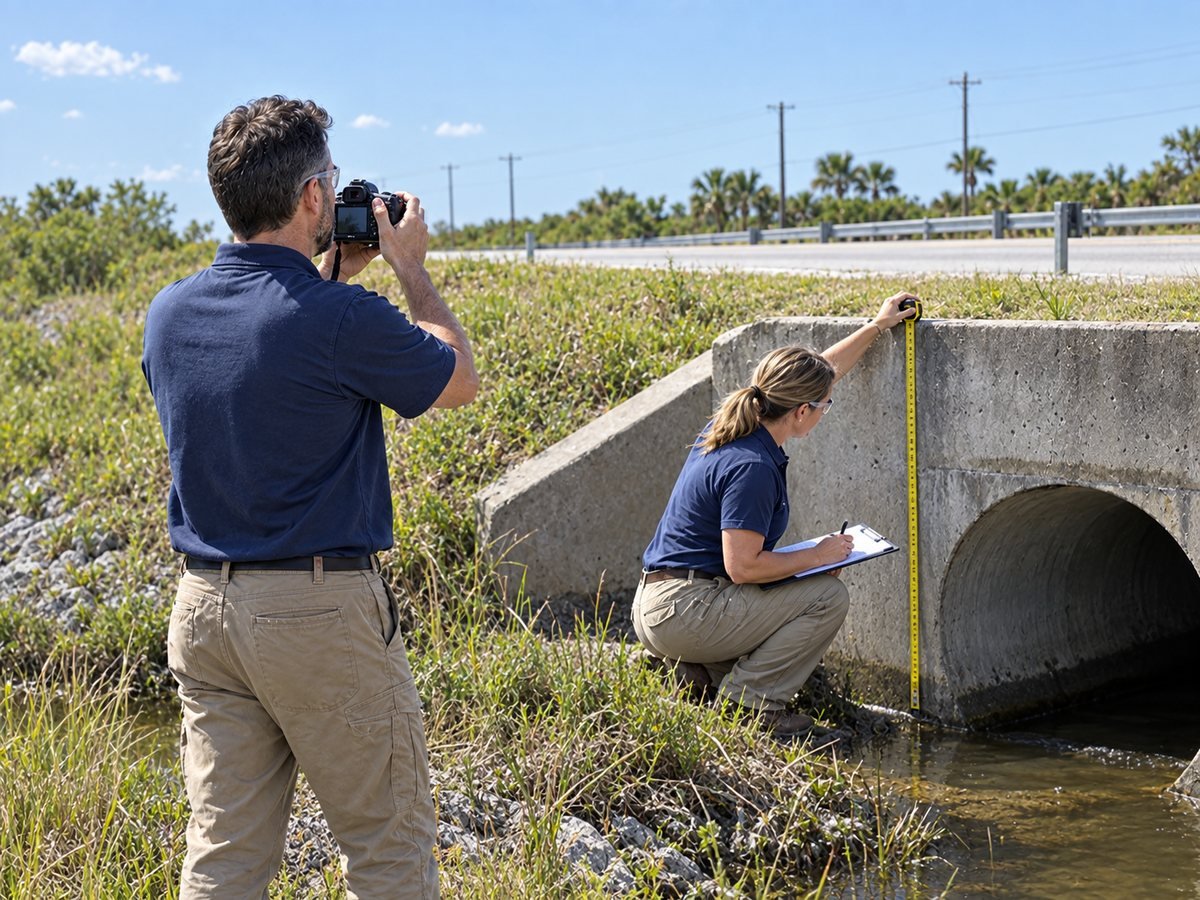
We organize facility inventories, photographs, maintenance records, and insurance schedules that establish the pre-disaster condition of each site.
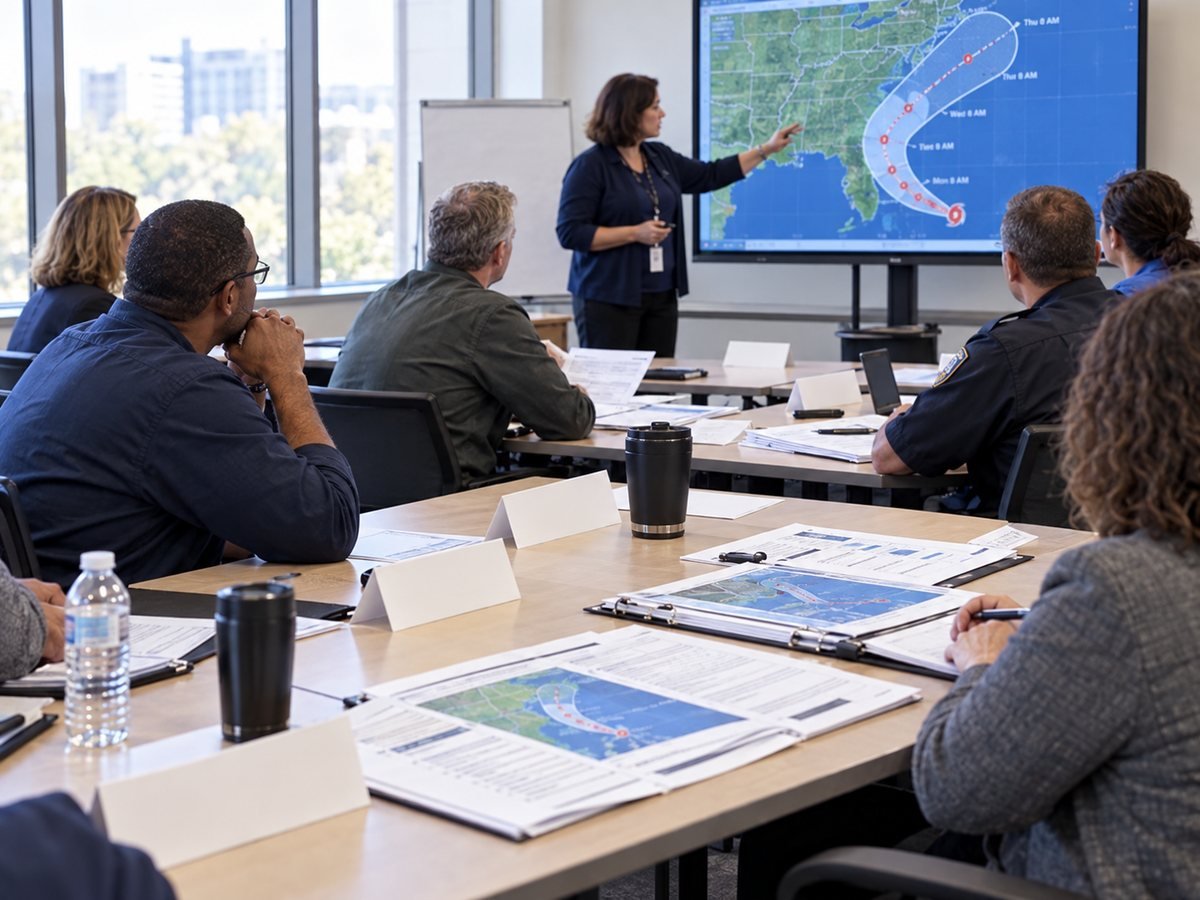
We train staff on Public Assistance documentation and run tabletop exercises that test the plan before an event, on site or online.
Once an area is designated, deadlines follow at each stage. Preparedness is the only stage with no deadline.
Plans, policies, standby contracts, inventories, and facility records are developed and adopted, and staff are trained.
No deadline applies.
With preparedness in placeThe documents every later stage relies on already exist and are dated before the incident.
The governor or tribal chief executive requests a declaration, the President declares, and FEMA designates the areas covered.
For state and territorial requests, the governor must submit the request within 30 days of the incident; FEMA may extend that deadline (PAPPG v5; 44 CFR 206.36).
With preparedness in placeStandby contracts can be activated, and staff time is recorded under an adopted pay policy.
The organization submits a Request for Public Assistance in FEMA Grants Portal within 30 days after its area is designated.
The Request for Public Assistance is due within 30 days after the area is designated. FEMA may extend the deadline if the recipient submits a written request with justification (PAPPG v5).
With preparedness in placeIdentifiers, insurance schedules, and facility lists are in one place.
FEMA and the recipient meet with the organization to review impacts, documentation requirements, and the schedule.
The date of this meeting starts the 60-day period for reporting damage (PAPPG v5).
With preparedness in placeThe meeting can focus on the damage rather than on which policy was in force on the day of the event.
The organization identifies and reports all incident-related impacts and damage to FEMA within 60 days of the Recovery Scoping Meeting.
All incident-related impacts and damage are reported within 60 days of the Recovery Scoping Meeting (PAPPG v5).
With preparedness in placeDated photographs and maintenance records are filed by site.
Debris removal and emergency work must be completed within 6 months of the declaration and permanent work within 18 months.
The recipient may extend debris and emergency work by up to 6 months and permanent work by up to 30 months, project by project (44 CFR 206.204(c)).
With preparedness in placeLabor, equipment, and contract costs are documented under policies and rates already adopted.
Organizations engage McGee Disaster Consulting Group at three points: before an event, to put records and procedures in place; during an active response, to document emergency work and costs as they occur; and after a declaration, for project development, compliance, and reimbursement through closeout.
Documentation practices, internal procedures, staff training, and organized facility records.
Project development, compliance, reimbursement, and recovery management through closeout.
Public agencies, school systems, healthcare organizations, utilities, private nonprofits, and other organizations working through Public Assistance. Organizations Served
Each guide quotes the policy or regulation word for word, links to the source, and gives our plain-language reading.